
Dimera
Dimera is a startup that operates from material conception through to market placement, using artificial intelligence to optimize and refine production processes. Its platform supports material development by analyzing technical properties, environmental impacts, and recyclability criteria in a data-driven manner.
Client
Startup Early Stage
Scope
3 Months
Role
UX Audit, Wireframes, Design System, Web App Design
Problem
Lack of UX Maturity
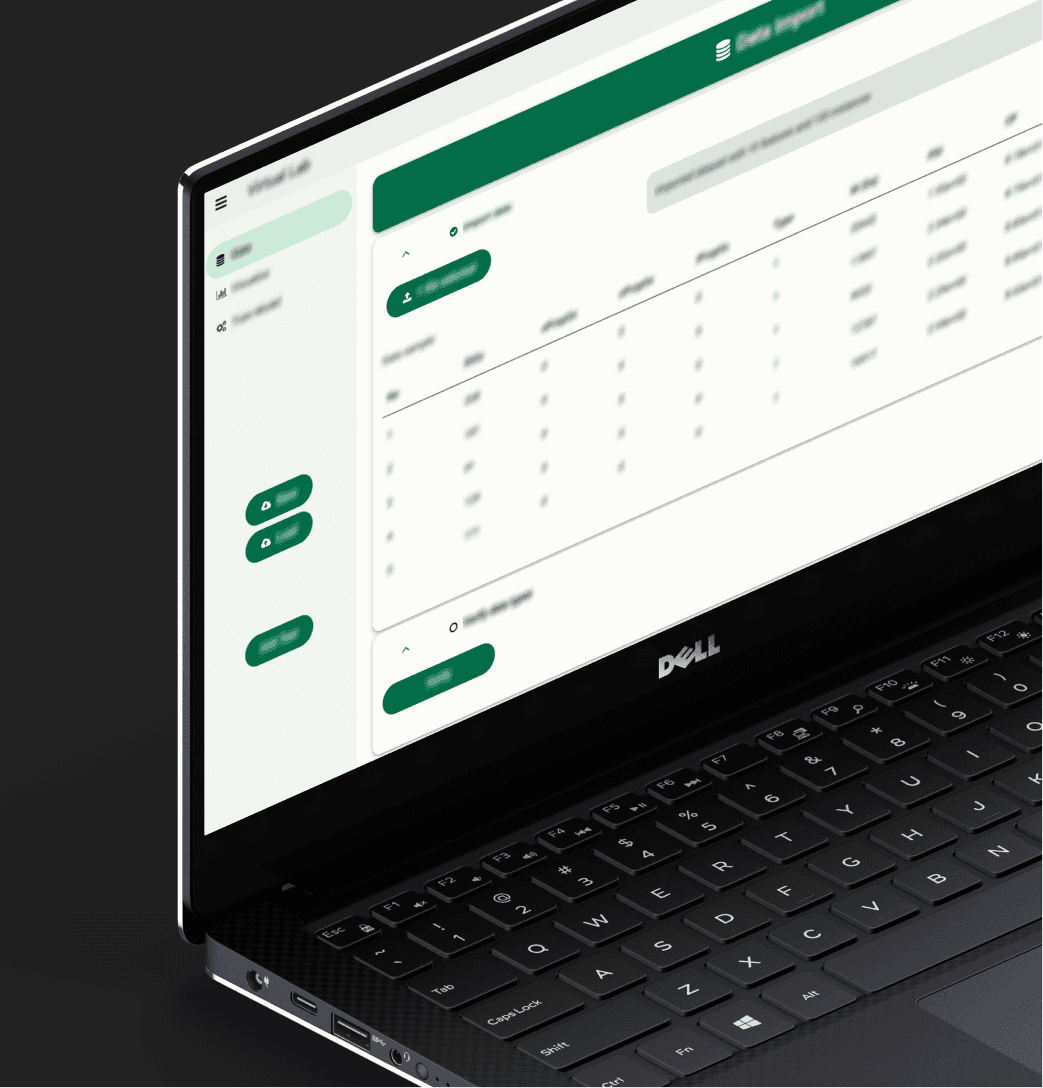
The product did not follow a clear UX process, this resulted in experience inconsistencies and difficulties in scaling solutions.
No Accessibility Study
Components, contrast, and interactions did not follow A11Y standards. This increased legal risks and compromised the overall usability of the product.
Lack of Conventions
Each screen and feature was built differently, this caused confusion for both users and the development team. The lack of conventions made product evolution more difficult.
Unstructured UI
The visual interface lacked a clear hierarchy, consistent grid, and spacing logic. Components were constantly recreated, leading to rework. The result was a visually inconsistent and poorly scalable UI.
Solution
UX Audit
A UX Audit was conducted to map issues, broken patterns, and improvement opportunities. This created an objective foundation for strategic design decisions.
A11Y Study
We conducted an accessibility-focused study aligned with WCAG guidelines. Issues related to contrast, navigation, and semantics were identified.
Design System
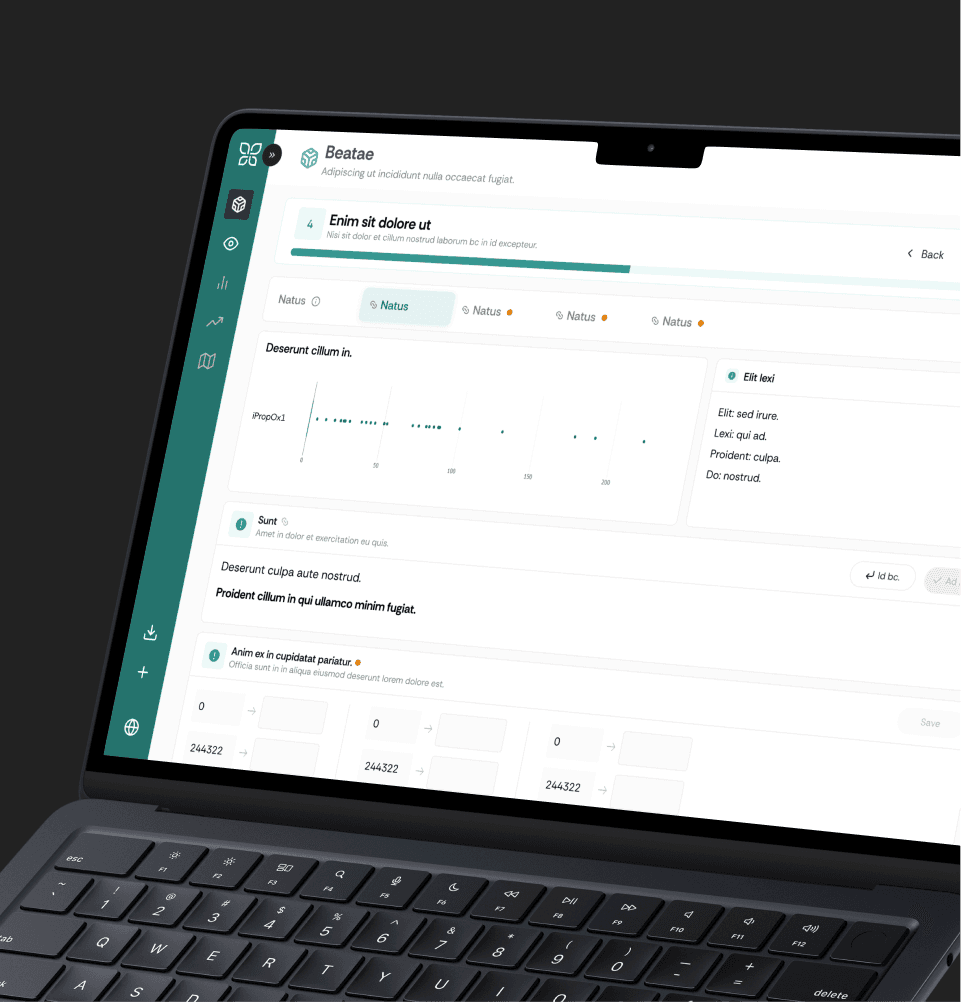
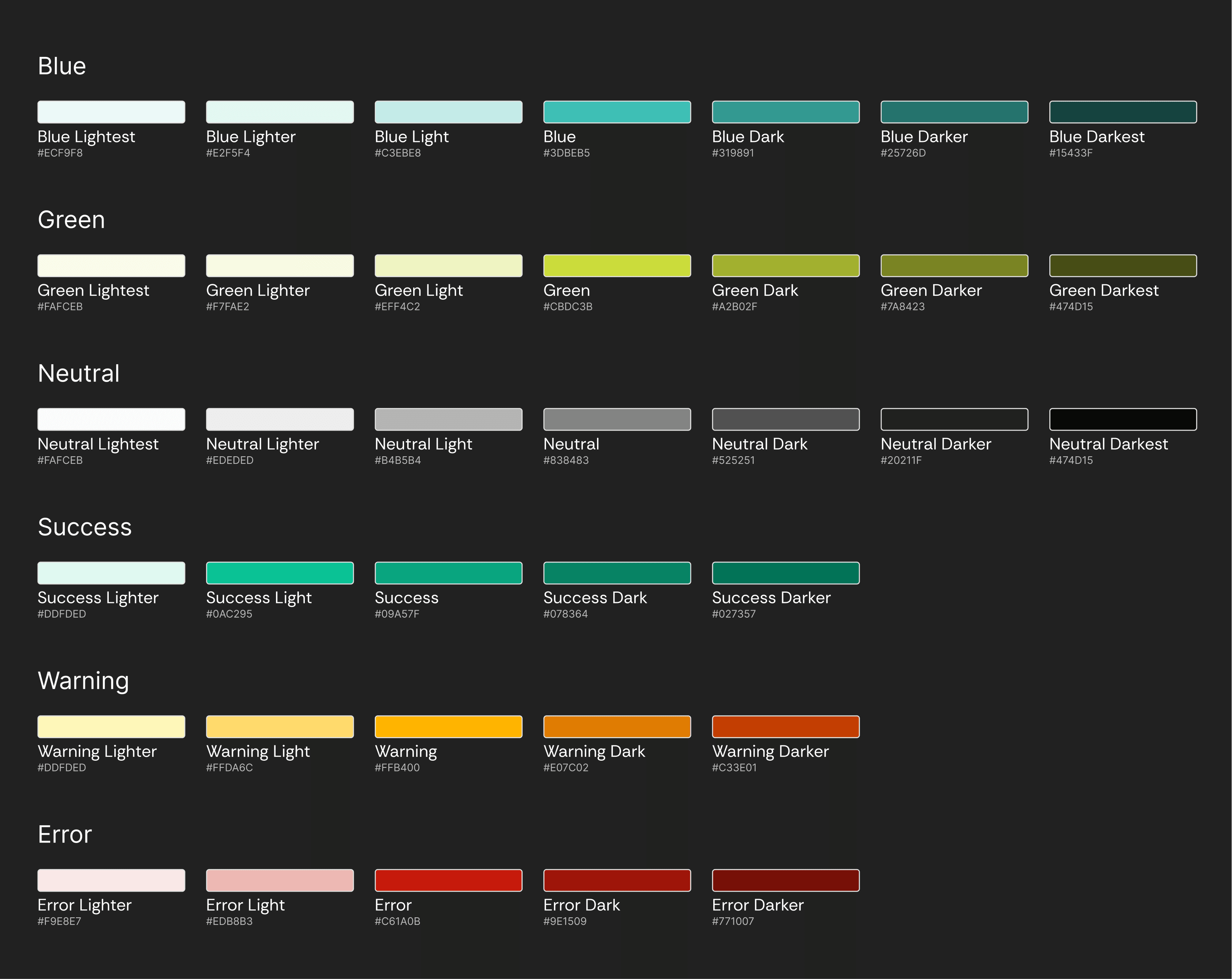
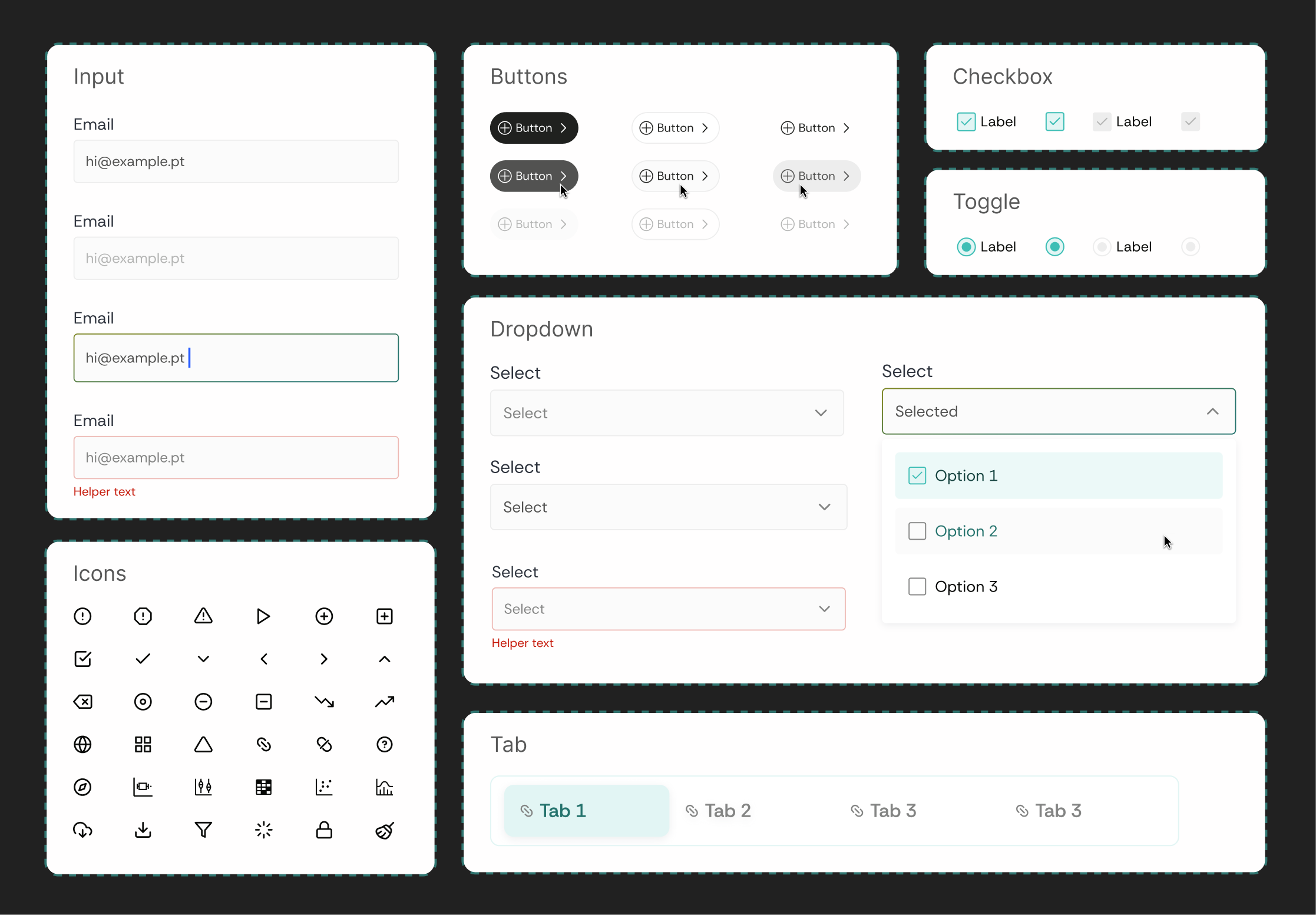
A Design System was created to establish visual and interaction standards. Reusable components, tokens, and guidelines reduced inconsistencies and rework. This increased product scalability and team efficiency.
UI Redesign
The interface had an outdated look and was misaligned with the product goals and user expectations. The lack of visual consistency impacted the perception of quality and brand trust.
Product Structure
During the discovery and early design phases, a complete user flow and platform structure were mapped to define how users would navigate through the product and interact with its core features. This flow helped align stakeholders, clarify the product logic, and identify potential friction points before moving into interface design.
The workflow included mapping the key journeys across the platform, defining entry points, decision paths, and the relationships between different product modules. This step was essential to ensure that the experience remained intuitive while supporting the operational complexity of the platform.
For confidentiality reasons, the original flow diagrams and structural documentation cannot be displayed publicly, as they reveal details about the internal architecture and workflow of the product.
However, this stage played a critical role in the project by:
Defining the main user journeys and task completion paths
Structuring the relationship between product modules and features
Identifying edge cases and potential usability issues early in the process
Creating alignment between design, product, and business stakeholders
This groundwork allowed the interface design phase to move forward with a clear and validated product structure, reducing rework and ensuring consistency across the platform.
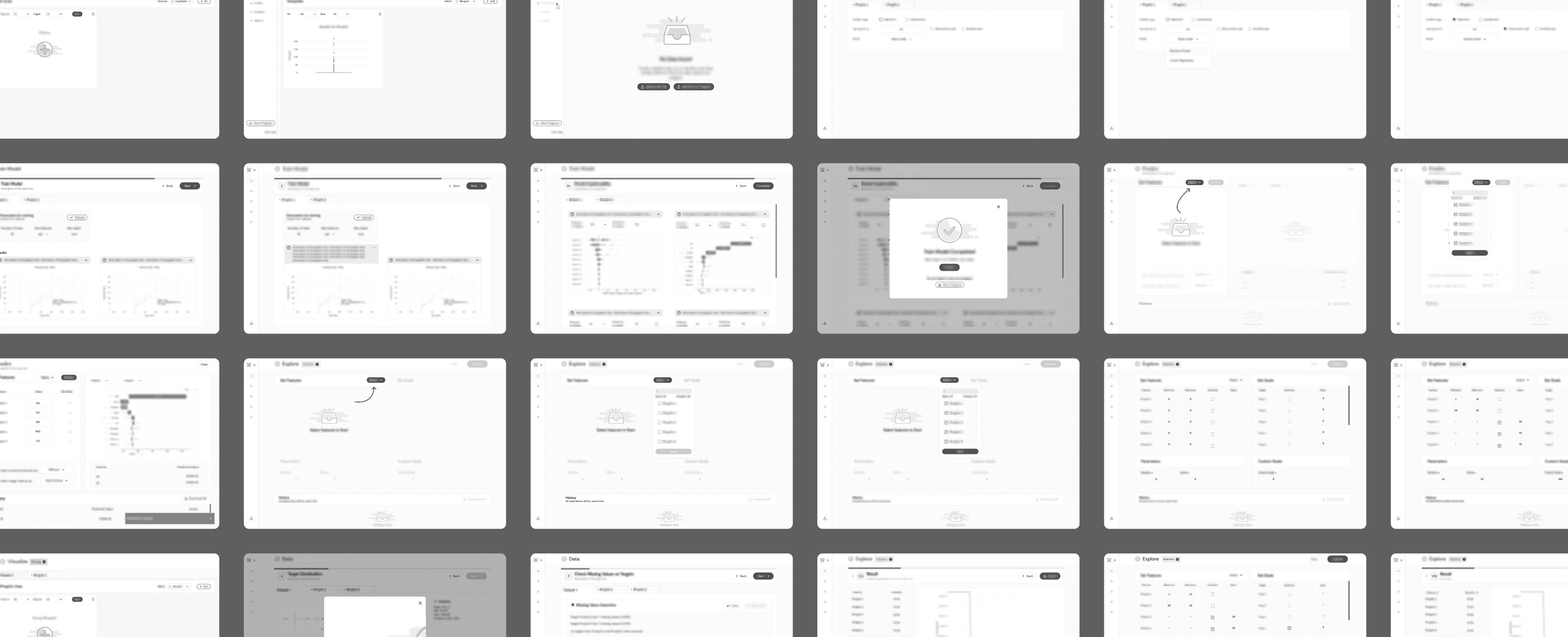
Wireframes*
Highlights
Pixel Perfect
The visual work was developed with a high level of precision, ensuring alignment, spacing, and consistency across all screens. Every detail was refined to ensure fidelity between design and implementation.
Interactive Prototypes
Interactive prototypes were created to simulate real usage flows and validate design decisions. The interactions helped identify friction points before development. This facilitated communication with stakeholders and the technical team.
Reusable Components
Reusable components were designed to ensure product consistency and scalability. Reuse reduced rework and accelerated the creation of new features. This approach strengthened system maintenance and long-term evolution.
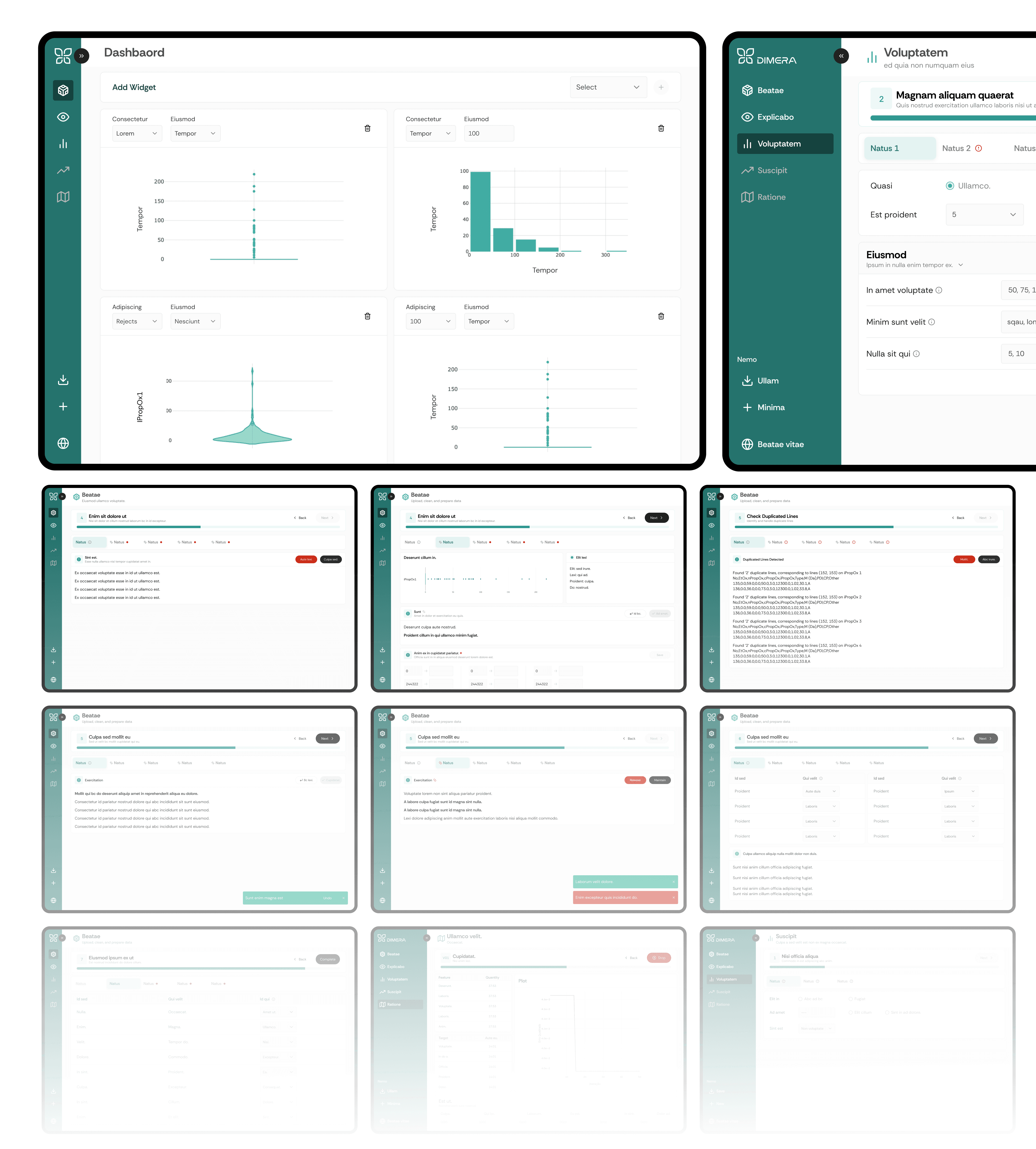
UI Design*

Ana Pires
Dimera CEO
"The Studio Lotus team showed professionalism, creativity, and a strong user-first mindset. The UI/UX design delivered looks great and improves clarity and usability. Communication was smooth and they took feedback seriously and iterated quickly, which made the collaboration smooth and productive. Highly recommend Studio Lotus as a partner for UI/UX design"